Bipolar Depression Is Hard to Treat. Ketamine Is Changing the Conversation.
Bipolar disorder affects roughly 2.8 percent of adults in the United States. The depressive phase hits hardest. Patients spend more time depressed than manic, and those depressive episodes carry the highest risk of disability and suicide.
Standard treatments lag. Lithium, lamotrigine, and atypical antipsychotics help many people. For others, relief takes weeks or never arrives. Doctors call this treatment-resistant bipolar depression, and until recently, options were thin.
New research points to ketamine as a fast-acting option. A clinical trial published in JAMA Psychiatry found multiple low-dose intravenous ketamine infusions significantly reduced depressive symptoms in patients with treatment-resistant bipolar I or II disorder. The results challenge a long-held fear: ketamine triggering mania.
What the JAMA Psychiatry Study Found
The trial enrolled adults with bipolar I or II disorder who had failed multiple antidepressant trials. Researchers gave participants either ketamine or a control infusion alongside a mood stabilizer or antipsychotic.
The numbers stood out:
- 35 percent of participants receiving ketamine saw depression symptoms cut in half.
- About 12 percent in the control group saw the same improvement.
- Relief arrived within hours to days, not weeks.
- Mania did not increase in the ketamine group.
That last point matters. For years, clinicians avoided ketamine in bipolar patients. The theory: a drug this fast and this stimulating must push people into mania. The data says otherwise, at least when ketamine is paired with a mood stabilizer or antipsychotic.
Why Rapid Relief Matters
Bipolar depression carries a suicide risk up to 20 times higher than the general population. Waiting four to six weeks for an SSRI to work is not an option for someone in crisis. Ketamine works on a different pathway, targeting glutamate receptors instead of serotonin. Relief can arrive the same day.
How Ketamine Works Differently
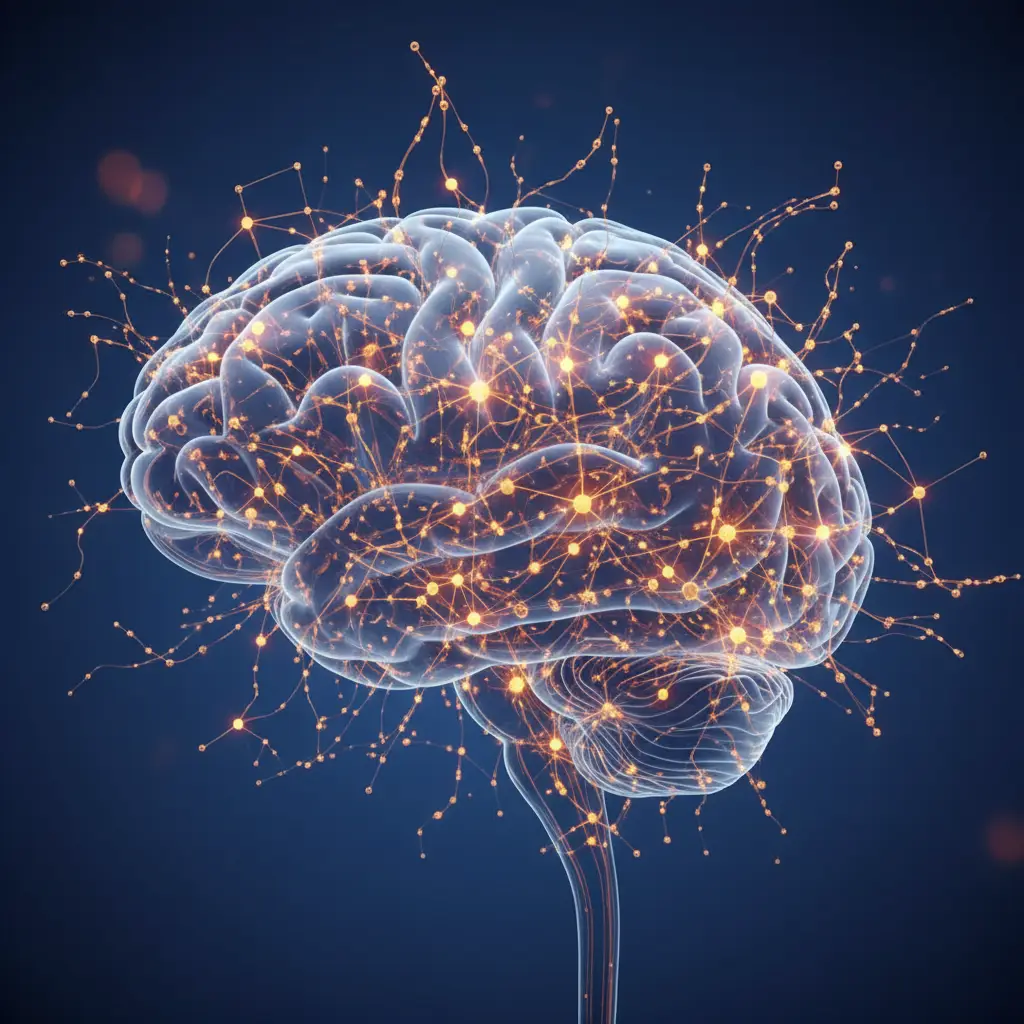
Traditional antidepressants take weeks to reshape brain chemistry. Ketamine works faster. It blocks NMDA receptors and triggers a cascade of glutamate activity. This prompts the brain to build new synaptic connections, a process called neuroplasticity.
Think of it as rebooting a frozen computer. The hardware is fine. The system needs a reset.
This mechanism explains the speed. It also explains why ketamine helps people who failed every other medication. Different target, different result.
Dosing and Administration
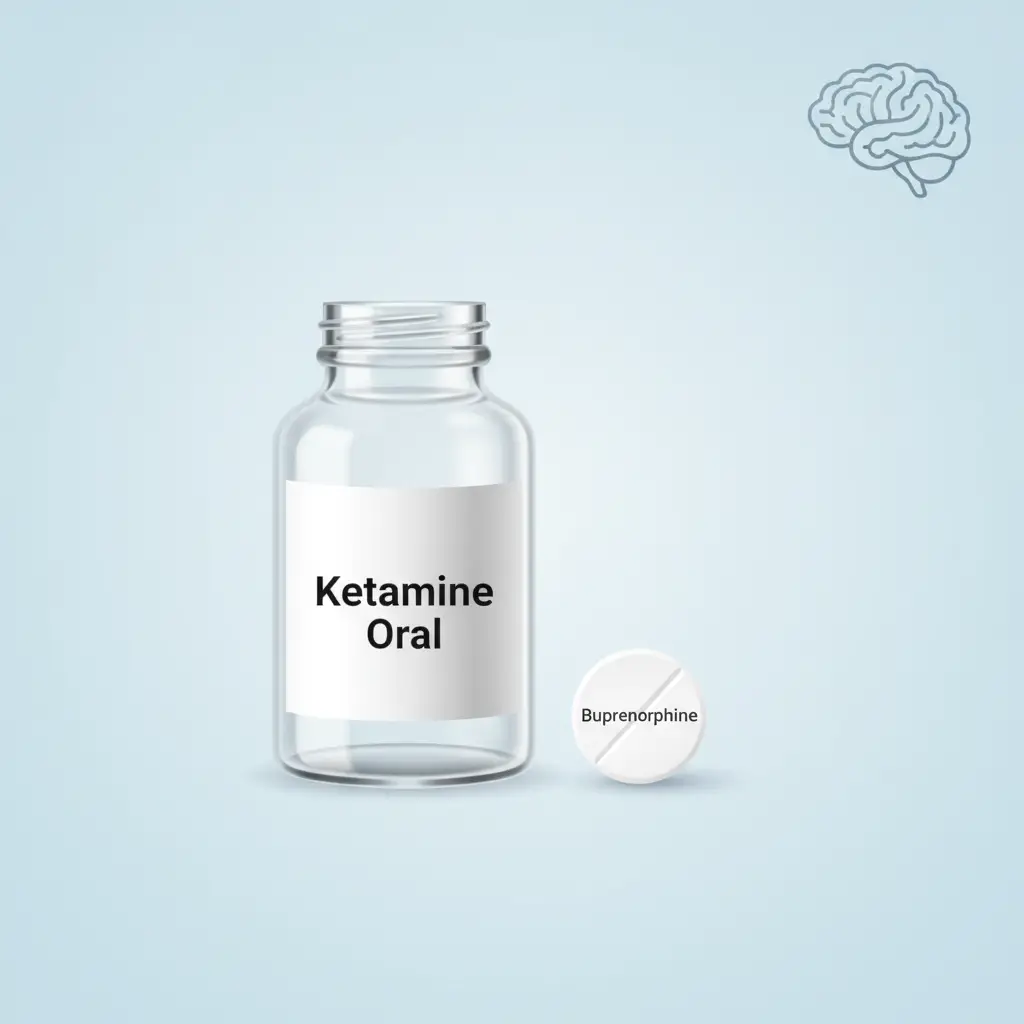
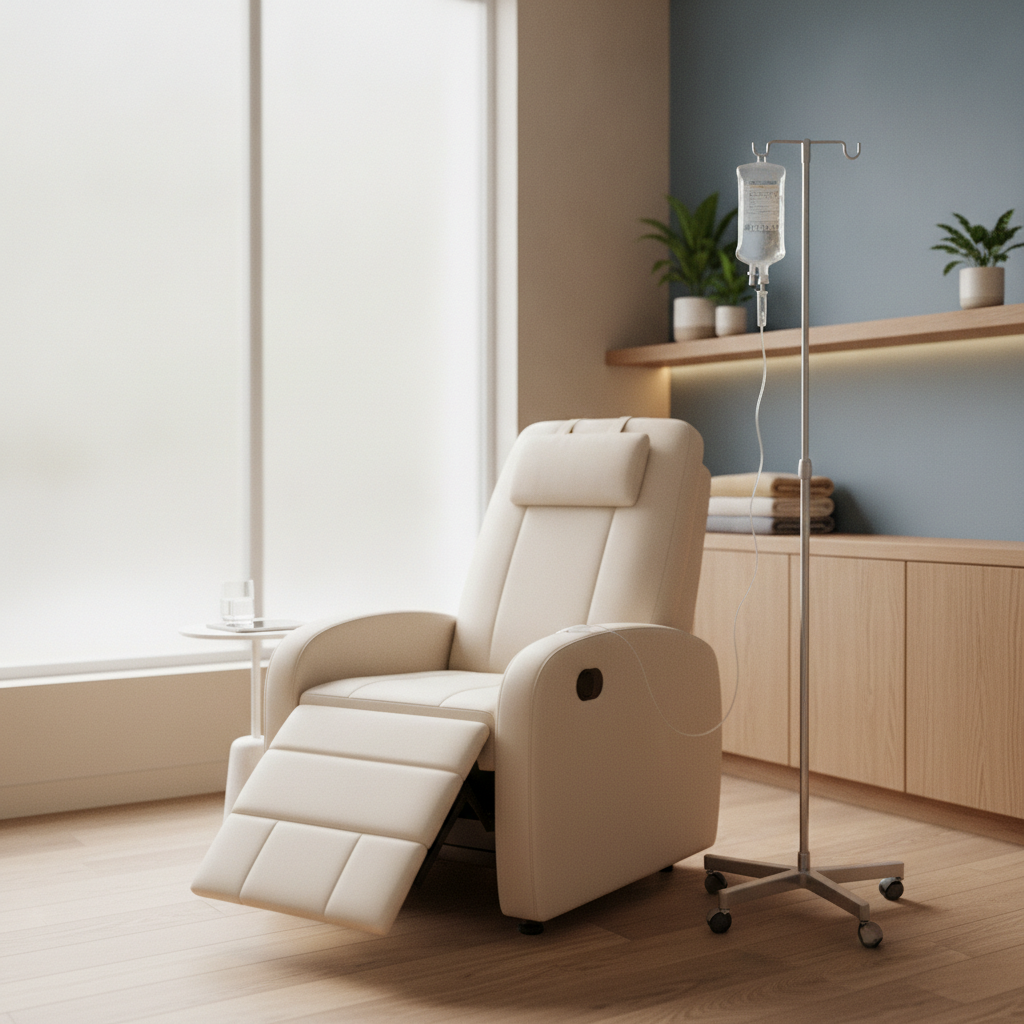
The JAMA Psychiatry trial used low-dose intravenous infusions. Typical protocols run 40 to 60 minutes per session, repeated two to three times per week for two to four weeks. Some clinics offer intranasal esketamine, an FDA-approved form. Others use IV ketamine off-label.
Medical supervision is non-negotiable. Blood pressure, heart rate, and dissociation levels need monitoring during each session.
Does Ketamine Trigger Mania?
This question stalled ketamine research in bipolar patients for years. The JAMA Psychiatry trial offers reassurance, but context matters.
- Every participant continued a mood stabilizer or antipsychotic during treatment.
- No manic episodes occurred in the ketamine group.
- Clinicians screened for current mania before each infusion.
Ketamine is not a standalone treatment for bipolar disorder. It works as an add-on. Pull away the mood stabilizer, and the risk profile changes. This is why you need a psychiatrist who understands bipolar disorder, not a standalone ketamine clinic treating everyone the same way.
Who Should Consider Ketamine for Bipolar Depression
Ketamine is not a first-line treatment. It fits specific patients:
- You have bipolar I or II disorder with a confirmed depressive episode.
- You failed at least two standard mood stabilizers or antidepressants.
- You are currently on a mood stabilizer or antipsychotic.
- You are not in an active manic or mixed episode.
- You have no history of psychosis triggered by ketamine or similar drugs.
If this sounds like you, ketamine deserves a conversation with your psychiatrist.
What Treatment Looks Like in Practice
A typical ketamine protocol for bipolar depression involves six to eight infusions over two to four weeks. Response rates climb with repeated doses. Maintenance sessions follow, often monthly or as needed.
Side effects include:
- Dissociation during the infusion, usually mild and short-lived
- Temporary blood pressure spikes
- Nausea
- Drowsiness after the session
Most side effects resolve within an hour. You need a ride home. You should not work or drive after treatment.
Combining Ketamine With Therapy
Ketamine opens a window. The brain becomes more flexible for a few days after each infusion. Psychotherapy during this window can reinforce new patterns and coping skills. Medication alone rarely solves bipolar depression. Therapy plus medication plus ketamine addresses the whole picture.
At The Practice in Jacksonville, FL, ketamine therapy pairs with psychiatry and psychotherapy under one roof. This integrated model matters for bipolar patients. Mood stabilization, depression relief, and psychological support work together, not in isolation.
Practical Takeaways
- Ketamine reduced depressive symptoms in 35 percent of treatment-resistant bipolar patients in a recent JAMA Psychiatry trial.
- Mania risk stayed low when patients continued a mood stabilizer or antipsychotic.
- Relief arrives in hours to days, not weeks.
- Ketamine is an add-on treatment, not a replacement for mood stabilizers.
- Medical supervision and psychiatric oversight are required.
- Combining ketamine with psychotherapy improves long-term outcomes.
The Bottom Line
Bipolar depression resists standard treatment. Ketamine offers a faster path to relief for patients who have run out of options. The research is early but promising. If you live with treatment-resistant bipolar depression, ask your psychiatrist whether ketamine fits your situation. The conversation is worth having.