What to Expect During a Ketamine Infusion
Your first infusion, hour by hour
It's completely normal to feel nervous before your first session — most of our patients did. Here's exactly what happens from the moment you arrive at our San Marco clinic to the moment your driver takes you home, so nothing about the day surprises you.
Before your visit
Four simple ways to prepare
There's very little you need to do — the medical preparation happened at your consultation, where your provider reviewed your history and built your dosing plan. On the day itself:
- Avoid food for a few hours beforehand (we give exact instructions at booking)
- Arrange a ride home — you cannot drive after an infusion
- Wear comfortable clothes; bring headphones and a playlist if music relaxes you
- Take your regular medications unless your provider advises otherwise
The visit, step by step
About two hours, start to finish
For mood conditions, the infusion itself runs about 40 minutes inside a roughly two-hour visit. Chronic-pain protocols run longer — nearly three times the treatment time — which is why pain infusions use a separate clinical protocol.
-
Arrival
Check-in & settle in
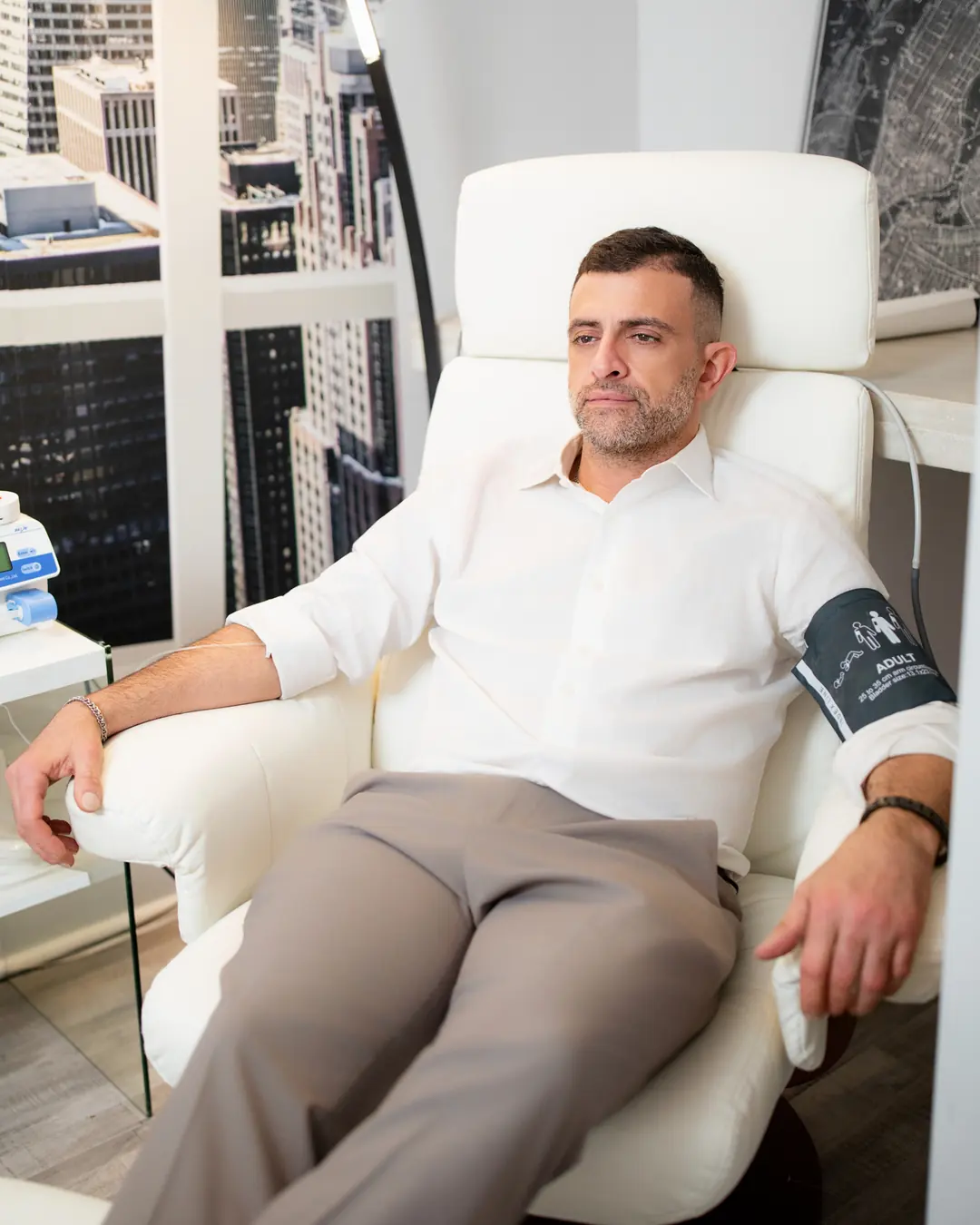
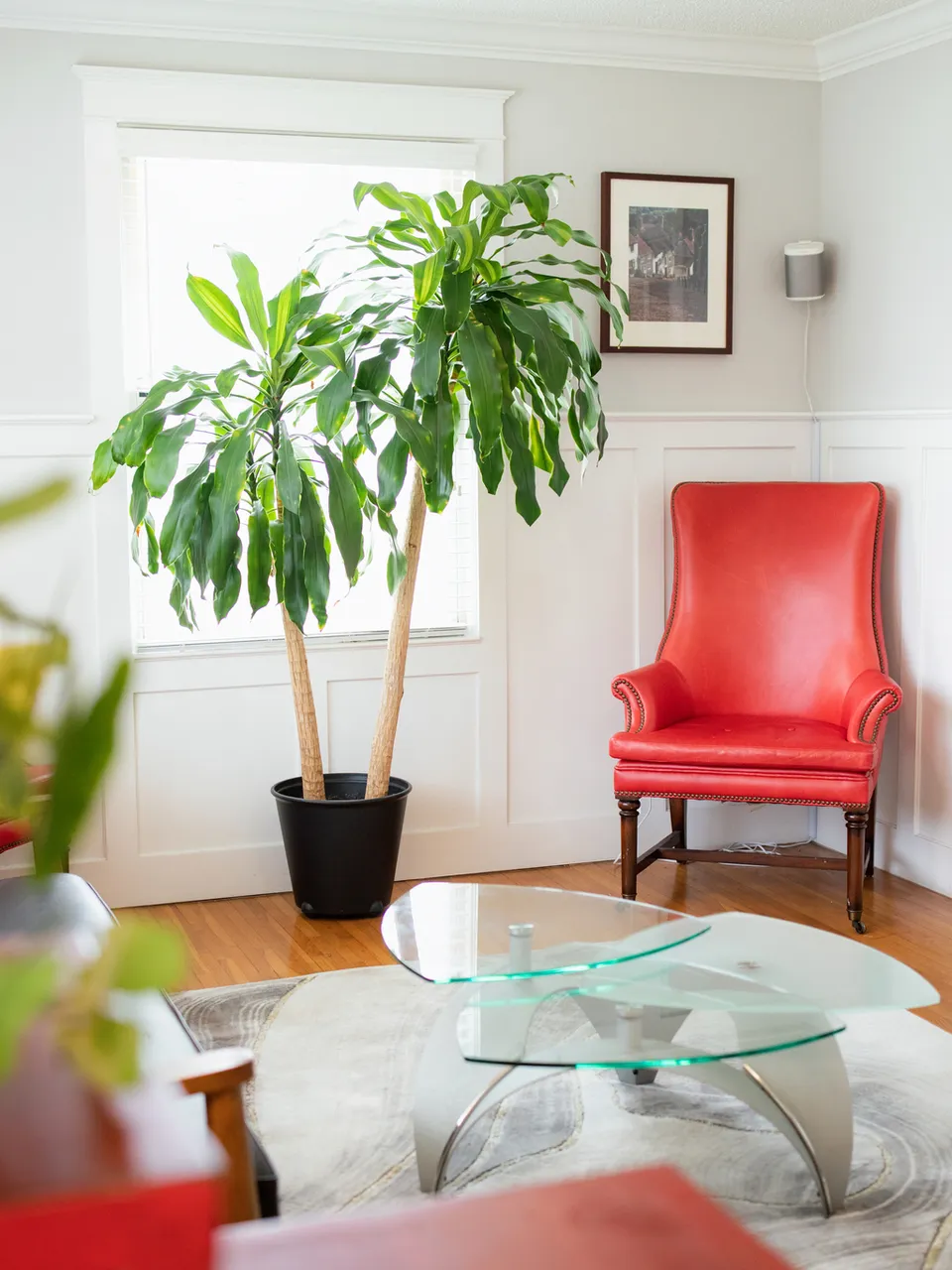
You’re shown to your own private infusion room — dim lighting, a comfortable recliner, and no shared bays. Your provider reviews how you’re feeling and answers any last questions.
-
First 10 min
Vitals & IV placement
Blood pressure, heart rate, and oxygen monitoring are connected, then a small IV is placed — a quick pinch, and the hardest part of the visit is already over.
-
~40 min
The infusion
The medicine is delivered slowly and steadily while your provider monitors you continuously and adjusts the rate to keep you comfortable. Effects build gently over the first ten to fifteen minutes.
-
Hour 1–2
Peak & fade
Effects typically peak during the infusion and begin fading soon after it ends. You rest in your room while monitoring continues and the sensations settle.
-
Before you leave
Recovery check
Once your vitals are steady and you feel clear enough, your provider reviews aftercare, answers questions, and releases you to your driver — most visits total about two hours.

The experience
What the medicine actually feels like
Every patient's experience is a little different, and plenty of people simply feel deeply relaxed. The sensations below are the ones patients describe most — all expected, all temporary, and all fading within about an hour of the infusion ending.
Floating or lightness
The most commonly described feeling — many patients call it deeply restful.
Dream-like detachment
A temporary, mild dissociation from your surroundings. Expected, not harmful, and it fades within the hour.
Altered time & senses
Minutes can feel longer or shorter; colors and music may feel richer. Some patients simply feel relaxed.
Emotional openness
Old worries can feel smaller or further away — one reason ketamine pairs so well with therapy afterward.
Throughout all of it, your provider is monitoring your blood pressure, heart rate, and comfort continuously — and can slow or pause the infusion at any moment. You're never alone, and you can speak at any time.
After your infusion
The rest of your day, and the days after
- Head home with your driver and take the rest of the day off — no work decisions, no contracts, no driving until the next day
- Eat lightly, hydrate, and rest; most people feel back to baseline within a few hours
- Jot down anything that surfaced during the session — it can be valuable material for therapy
- Watch for the days that follow: many patients notice mood shifts within 24 hours of the first infusion
Wondering whether the treatment is working? Response is tracked across your induction series — read how the full protocol unfolds on our treatment-resistant depression page, or see the dedicated cost guide.
Common questions
First-infusion questions, answered
How long does a ketamine infusion appointment take?
Plan for about two hours door to door. The infusion itself runs roughly 40 minutes for mood conditions, with check-in and vitals beforehand and a monitored recovery period afterward. Chronic-pain protocols use longer infusions.
Will I hallucinate or lose control?
No. At therapeutic doses most patients experience mild, dream-like dissociation — a floating or detached feeling — rather than hallucinations, and many feel little or none at all. You remain conscious, you can speak with your provider at any time, and the sensations fade within about an hour of the infusion ending.
Does the infusion hurt?
The only discomfort is the initial IV placement — a quick pinch. During the infusion itself most patients feel relaxed. Mild nausea or dizziness can occur and your provider can treat it immediately.
Can someone come with me?
Yes — a support person is welcome to accompany you, and you will need someone to drive you home. Your infusion room at The Practice is private, so it is just you, your provider, and anyone you choose to bring.
Can I eat before a ketamine infusion?
We ask you to avoid food for a few hours before your session to minimize nausea — exact fasting guidance comes with your booking confirmation. Clear liquids are generally fine until closer to the appointment.
How will I feel afterward — and when will treatment start working?
Most people feel a bit dreamy for an hour or two, then largely back to normal by evening. Antidepressant effects often appear within hours to days — many patients notice a shift after the first one to three infusions of an induction series. Individual results vary.
How many infusions will I need?
The standard induction protocol is six infusions over about four weeks, followed by occasional maintenance boosters if you respond. Your exact plan is personalized at your consultation.

The ketamine resource center
Keep exploring ketamine therapy
Ketamine Infusion Therapy →
The main guide to IV ketamine at The Practice — conditions, research, and booking.
Near Ponte Vedra →
Ketamine infusions for Ponte Vedra patients — ~25 min to our San Marco clinic.
Near Jacksonville Beach →
Ketamine infusions for Jacksonville Beach patients — ~25 min to our San Marco clinic.
Near Southside →
Ketamine infusions for Southside patients — ~15 min to our San Marco clinic.
Near Westside →
Ketamine infusions for Westside patients — ~20 min to our San Marco clinic.
Near Riverside / Avondale →
Ketamine infusions for Riverside / Avondale patients — ~10 min to our San Marco clinic.
Near Orange Park →
Ketamine infusions for Orange Park patients — ~25 min to our San Marco clinic.
Near Mandarin →
Ketamine infusions for Mandarin patients — ~20 min to our San Marco clinic.
Near St. Augustine →
Ketamine infusions for St. Augustine patients — ~40 min to our San Marco clinic.
Near Nocatee →
Ketamine infusions for Nocatee patients — ~30 min to our San Marco clinic.
Treatment-Resistant Depression →
When two or more antidepressants haven’t worked — what ketamine offers TRD.
Ketamine for Anxiety →
Rapid relief for persistent anxiety, panic, and nervous-system activation.
Ketamine for PTSD →
Trauma-informed infusion care for hypervigilance and flashbacks.
Ketamine for Chronic Pain →
CRPS, neuropathy, migraines, and centralized pain protocols.
Cost & Insurance →
The dedicated guide to infusion costs, insurance, and payment questions.
Infusions vs. Spravato →
How IV ketamine and the FDA-approved nasal spray compare on results and cost.
How It Works →
The science: the glutamate surge and the dendritic spine regrowth seen in research.
What Is Ketamine Therapy? →
The complete beginner’s guide: history, mechanism, safety, and evidence.
Veterans & the VA →
How VA coverage works for Spravato and IV ketamine, and the Community Care path.
Ketamine FAQ →
Every common question about ketamine in Jacksonville, answered in one place.
Side Effects & Safety →
What to expect: nausea, dizziness, dissociation, blood pressure — and who shouldn’t use ketamine.
The Experience →
Does ketamine get you high? Honest answers about what an infusion actually feels like.
Preparation Guide →
What to eat, what to avoid, what to bring, and how to set yourself up for the best experience.
Aftercare Guide →
First 24 hours, the week after, and how to maximize the neuroplasticity window.
Treatment Protocol →
The standard 6-infusion induction series, why a series matters, and maintenance scheduling.
Ketamine for OCD →
For obsessive-compulsive disorder: how ketamine’s glutamate mechanism may interrupt the OCD loop.
Ketamine for Bipolar Depression →
When antidepressants can’t be used — how ketamine differs for bipolar patients on mood stabilizers.
Ketamine vs. ECT →
How IV ketamine compares to electroconvulsive therapy — efficacy, side effects, and logistics.
Success Rates & Evidence →
What the research actually shows: response rates, remission rates, and what the numbers mean.
Patient Stories →
Real patient experiences with ketamine therapy at The Practice — depression, PTSD, and chronic pain.
Meet your provider before you commit to anything
The easiest way to feel at ease is to see the clinic and meet your provider. Consultations are In person or via Zoom. The provider who will direct your care will review your history and goals and give you an honest recommendation.
or call (904) 877-1100