What is ketamine therapy?
Ketamine therapy is a medically supervised treatment that uses low, carefully controlled doses of ketamine to relieve symptoms of conditions like treatment-resistant depression, anxiety, PTSD, and certain chronic pain disorders. First approved by the FDA as an anesthetic in 1970, ketamine has been used safely in hospitals and operating rooms for more than fifty years. Over the past two decades, researchers discovered that at much lower doses than those used for anesthesia, ketamine can produce rapid, meaningful improvements in mood — often within hours to days, rather than the weeks typically required by traditional antidepressants.
That speed is what sets it apart. For people who have tried multiple medications without relief, ketamine offers a fundamentally different mechanism of action and, for many, a new path forward. At The Practice in Jacksonville's San Marco district, ketamine therapy is delivered in a calm, monitored clinical setting by an experienced provider who tailors each plan to the individual — and who is in the room for your sessions, rather than a rotating roster meeting you cold each time.
This guide explains what ketamine therapy is, how it works, what conditions it may help, what a session actually feels like, and how to know whether it might be right for you.
How does ketamine work?
Most traditional antidepressants — SSRIs and SNRIs — work on the brain's serotonin and norepinephrine systems, and they typically take four to six weeks to take full effect. Ketamine works on an entirely different pathway, which helps explain both its speed and its effectiveness in cases where other treatments have not worked.
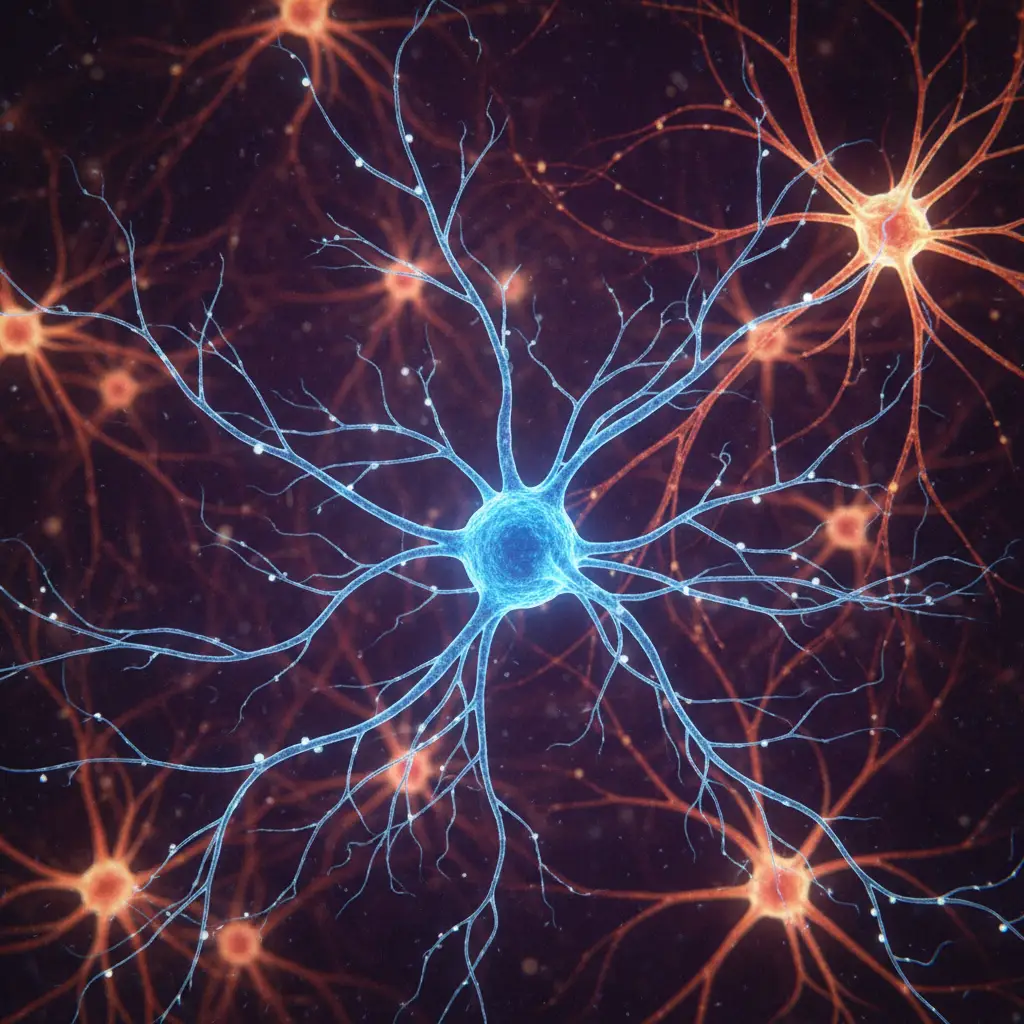
Ketamine is an NMDA receptor antagonist. By temporarily blocking NMDA receptors, it triggers a surge of glutamate, the brain's most abundant excitatory neurotransmitter. That glutamate surge activates AMPA receptors and sets off a cascade of downstream signaling — including the BDNF–TrkB and mTOR pathways — that promotes synaptogenesis, the growth of new connections between neurons.
In practical terms, chronic stress and depression are associated with the loss of synaptic connections in regions of the brain such as the prefrontal cortex. Research suggests ketamine can rapidly help restore and strengthen these connections. This is often described as the brain becoming more "plastic," or adaptable — which may also create a window in which therapy and new coping patterns are especially effective. It's one reason ketamine is sometimes paired with psychotherapy for a more durable benefit.
What conditions can ketamine therapy treat?
Ketamine is most often considered when conventional treatments haven't provided enough relief. Research and clinical use support its potential across several conditions:
- Treatment-resistant depression. The most studied use. Ketamine can produce rapid reductions in depressive symptoms, including in people who have not responded to multiple antidepressants. Learn more about ketamine infusion therapy for depression.
- Anxiety. Many patients with severe or persistent anxiety report meaningful relief. See ketamine for anxiety.
- PTSD. Studies suggest ketamine may reduce the intensity of trauma-related symptoms, particularly alongside therapy. See ketamine for PTSD.
- Chronic pain. Ketamine is used for certain pain conditions including CRPS (complex regional pain syndrome), neuropathic pain, fibromyalgia, and chronic migraines. See ketamine for chronic pain.
- Suicidal thoughts. One of ketamine's most significant findings is its ability to rapidly reduce acute suicidal ideation, sometimes after a single treatment — a critical advantage when time matters.
It's important to be measured here: while the evidence is encouraging and growing, study sizes and protocols vary, and ketamine is not a cure or a fit for everyone. Whether it's appropriate for you is a clinical decision made with a provider after a thorough evaluation.
Are you a veteran? The VA covers Spravato (esketamine) for treatment-resistant depression and may authorize IV ketamine through Community Care in limited cases. Read our practical guide: Ketamine treatment and the VA.
IV ketamine vs. ketamine nasal spray: what's the difference?
You may see ketamine treatment offered in two main forms. They're related but not identical.
| IV ketamine infusion | Ketamine nasal spray | |
|---|---|---|
| What it is | Racemic ketamine (both R- and S-molecules) | The S-enantiomer of ketamine only |
| How it's given | Intravenous infusion, monitored in-clinic | Intranasal spray, self-administered under supervision |
| FDA status | Used off-label for mental health | FDA-approved for treatment-resistant depression; as of 2025 it can be used on its own |
| Insurance | Often paid out of pocket | More commonly covered by insurance |
| Typical experience | Many patients report faster initial relief | Comparable response and remission rates over a full treatment course |
A 2025 meta-analysis found no statistically significant difference in overall response or remission between the two by the end of acute treatment, though IV ketamine often produces faster initial improvement. The right option depends on your diagnosis, history, insurance, and goals — something your provider at The Practice will review with you during your consultation.
What does a ketamine therapy session feel like?
Knowing what to expect tends to ease a lot of first-visit nerves. A typical session is calm and unhurried, in a private space designed for comfort.
After check-in, your provider reviews your plan and begins treatment while continuously monitoring your blood pressure and heart rate. Ketamine's effects usually peak within the first hour and fade within about two hours, so most of the experience is contained within a single, supervised visit.
During treatment, some people experience a sense of dissociation — a temporary, dream-like feeling of being slightly detached from your body or surroundings, or an altered sense of time. This is expected, is not harmful, and generally fades within an hour. Many patients describe it as floating, meditative, or restful. Notably, dissociation occurs in only a portion of sessions, so many people feel little or none at all. You'll be monitored by staff the entire time, and you'll arrange for someone to drive you home afterward.
Is ketamine therapy safe?
When administered in a controlled medical setting by trained clinicians, ketamine has a strong safety profile, and most people tolerate it well. Serious side effects are rare in this context.
The most common side effects are mild and short-lived, typically resolving within an hour or two of the session:
- Mild dissociation or dream-like sensations
- Dizziness or blurred vision
- Nausea
- A temporary rise in blood pressure or heart rate
- Headache
Because ketamine can briefly raise blood pressure, your vitals are monitored throughout. Ketamine isn't appropriate for everyone — certain heart conditions, uncontrolled high blood pressure, active psychosis, a history of substance misuse, or pregnancy may make it unsuitable. This is exactly what a medical evaluation is designed to determine. Ketamine therapy at The Practice is always overseen by a qualified medical provider as part of comprehensive psychiatric care.
What does a course of treatment look like?
There's no one-size-fits-all protocol, but treatment is usually structured in two phases. An initial induction series of several sessions over a few weeks helps establish a response. From there, some patients move to occasional maintenance sessions to sustain the benefit over time. Your exact plan — including how ketamine is delivered, how often, and at what dose — is personalized based on your diagnosis, response, and goals.
How is ketamine treatment paid for?
IV ketamine is generally self-pay because it is used off-label for mental health. We can provide a superbill if you would like to submit it to your insurance company for possible reimbursement. The VA may authorize IV ketamine through Community Care in limited cases.
Is ketamine therapy right for you?
Ketamine may be worth considering if you've lived with depression, anxiety, PTSD, or chronic pain that hasn't responded well to other treatments — or if you simply want to understand all of your options from a provider who knows your whole history. It isn't right for everyone, and the only way to know is a proper evaluation.
The Practice makes that first step clear and clinical: a focused conversation about your goals, history, and whether ketamine therapy (or another path) is the right fit.
or call (904) 877-1100 to talk with us.
Frequently asked questions
What is ketamine therapy used for?
Ketamine therapy is used primarily for treatment-resistant depression, and may also help with anxiety, PTSD, certain chronic pain conditions, and acute suicidal thoughts. It's most often considered when conventional treatments haven't provided enough relief.
How quickly does ketamine work for depression?
Many people notice improvement within hours to days, compared with the four to six weeks often needed for traditional antidepressants. This rapid onset is one of ketamine's most distinctive features. Individual results vary.
Is ketamine therapy safe?
In a monitored clinical setting with trained providers, ketamine has a strong safety profile and is generally well tolerated. Common side effects — mild dissociation, dizziness, nausea, and a temporary rise in blood pressure — are short-lived. A medical evaluation determines whether it's appropriate for you.
Will I hallucinate or lose control during a session?
Some people experience mild, temporary dissociation — a dream-like sense of detachment — but it isn't harmful and typically fades within an hour. You remain in a safe, supervised environment throughout, and many patients feel little or no dissociation at all.
What's the difference between IV ketamine and ketamine nasal spray?
IV ketamine is an infusion of racemic ketamine used off-label. Ketamine nasal spray is an FDA-approved option for treatment-resistant depression that may be covered by insurance. Both are effective; the right choice depends on your situation.
How many ketamine sessions will I need?
Treatment usually begins with an induction series of several sessions over a few weeks, sometimes followed by occasional maintenance sessions. Your exact plan is personalized to your diagnosis, response, and goals.
How do I get started with ketamine therapy in Jacksonville?
Begin with a consultation at The Practice in Jacksonville, available in person or via Zoom. The provider who would treat you reviews your history and goals and determines whether ketamine therapy is a good fit. Book online or call (904) 877-1100.