For years, people with severe depression faced a long wait for relief. Traditional antidepressants often take weeks or months to show any effect. For someone in deep emotional pain, this delay is difficult. New research now provides a clear picture of an alternative. Brain imaging studies are showing how ketamine works differently, offering relief in hours, not weeks. This article explains the new science and what the findings mean for you.
Understanding Treatment Timelines for Depression
Most common antidepressants are selective serotonin reuptake inhibitors, or SSRIs. They work by increasing the amount of serotonin, a neurotransmitter, in the brain. This process is gradual. You might wait four to eight weeks to feel a noticeable improvement. For many, this timeline is a significant barrier to recovery.
In some cases, these medications do not work at all. This condition is known as treatment-resistant depression, or TRD. The condition affects a substantial portion of individuals diagnosed with major depressive disorder. When first and second-line treatments fail, patients need other options. The search for faster, more effective solutions has led researchers to investigate different neural pathways.
New Brain Scans Show Ketamine's Rapid Action
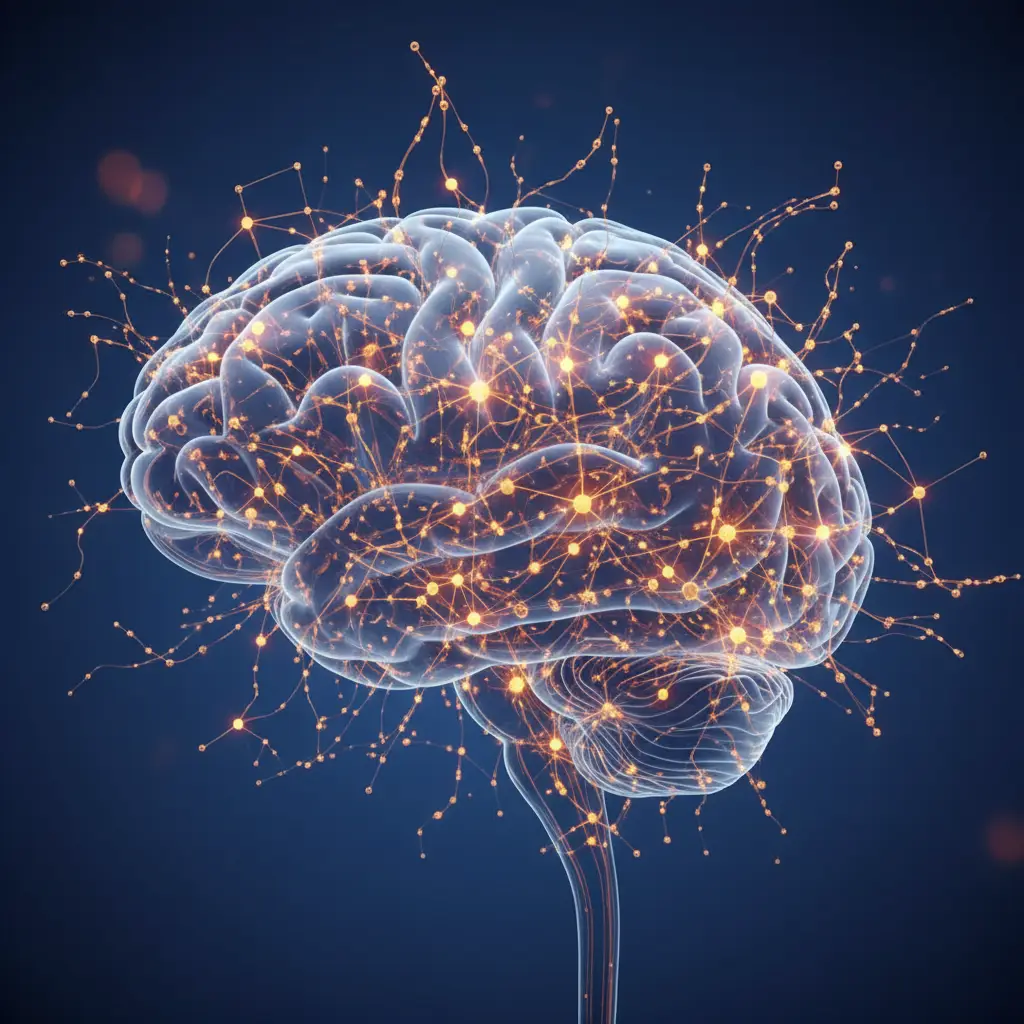
Scientists have long observed ketamine's rapid antidepressant effects. They did not fully understand the mechanism until recently. A March 2026 study used advanced positron emission tomography, or PET, scans to watch the brain's response to ketamine in real time. The study visualized how ketamine interacts with a specific type of brain receptor called AMPA.
Researchers saw a marked increase in AMPA receptor activity within hours of a single ketamine dose. These changes were concentrated in the brain's prefrontal cortex and reward centers. These areas are directly involved in mood regulation. The study found a direct link. Patients who showed the greatest increase in AMPA receptor activity also reported the most significant reduction in their depression symptoms. This mechanism is key. The scans provide the first visual confirmation of how ketamine produces such a swift change in mood.
The Clinical Evidence for Rapid Relief
The visual evidence from brain scans aligns with extensive clinical data. A major review in May 2026 analyzed the results of 26 different clinical trials involving hundreds of patients. The findings were consistent and clear. A single intravenous infusion of ketamine produced a substantial reduction in depression symptoms in just four hours.
The review also showed that ketamine significantly lowered suicidal thoughts within 24 hours. This speed is a critical advantage over conventional treatments. The rapid effect provides a vital window of opportunity for individuals in acute distress. The data confirms the quick, observable changes in brain chemistry translate directly into meaningful symptom relief for patients.
Beyond Receptors: Ketamine and Neuroplasticity
Ketamine's immediate effect on receptors is only part of the story. The lasting benefits come from promoting neuroplasticity. Neuroplasticity is the brain's natural ability to reorganize itself by forming new neural connections. Chronic depression can damage the brain. The condition causes neurons in key areas like the hippocampus to atrophy, or shrink. Communication between brain cells becomes weaker.
Ketamine appears to reverse this damage. The activation of AMPA receptors starts a chemical chain reaction. This reaction results in the release of Brain-Derived Neurotrophic Factor, or BDNF. BDNF acts like a fertilizer for the brain. The protein encourages the growth of new synapses, the connections between neurons. Essentially, ketamine helps your brain rebuild and strengthen the circuits depression weakened.
At The Practice in Jacksonville, FL, our ketamine therapy protocols are designed to support this process of neuroplasticity. We combine the treatment with a supportive environment to help you integrate these changes for long-term wellness. The goal is not just temporary relief but sustained improvement in brain function and mood.
Practical Steps and What to Expect
This new understanding of ketamine has direct implications for your treatment options. If you suffer from depression which has not improved with other therapies, ketamine presents a different approach.
Who is a Candidate?
Ketamine therapy is primarily for individuals with treatment-resistant major depression. Your doctor will conduct a thorough medical and psychiatric evaluation to determine if this treatment is appropriate for your specific situation. A full health history is necessary to ensure safety and effectiveness.
The Treatment Process
Ketamine is administered in a controlled, clinical setting. The most studied method is through a slow intravenous, or IV, infusion over about 40 minutes. During the infusion, medical staff will monitor your vital signs continuously. After the treatment, you will rest in a comfortable room until the immediate effects have worn off. You will need someone to drive you home. A typical initial course of treatment involves a series of infusions over several weeks.
Key Takeaways
Understanding this treatment requires focusing on the core facts.
- Ketamine works on the glutamate system, unlike SSRIs which target serotonin.
- New brain scans confirm ketamine's effects on mood-related receptors happen within hours.
- Large-scale clinical reviews show rapid symptom relief for both depression and suicidal thoughts.
- The treatment promotes long-term brain health by fostering the growth of new neural connections.
- Ketamine therapy requires professional medical supervision in a clinical environment.
Science now confirms what clinicians and patients have observed. We have visual proof of how ketamine provides rapid relief from depression by rewiring brain circuits. This research offers a validated path forward for those who have felt stuck. If traditional treatments have failed you, speak with a qualified medical professional about ketamine therapy. This is a significant development in mental health care.