Ketamine for Treatment-Resistant Depression in Jacksonville, FL
Two medications didn't work. That doesn't mean nothing will.
If you've given antidepressants a real try — full doses, real time — and depression is still winning, you may have treatment-resistant depression (TRD). In Jacksonville, patients often compare hospital behavioral-health programs with specialty ketamine clinics. IV ketamine at The Practice works through an entirely different mechanism than SSRIs — which is exactly why it can succeed where medications failed.

Do I have TRD?
What "treatment-resistant" actually means
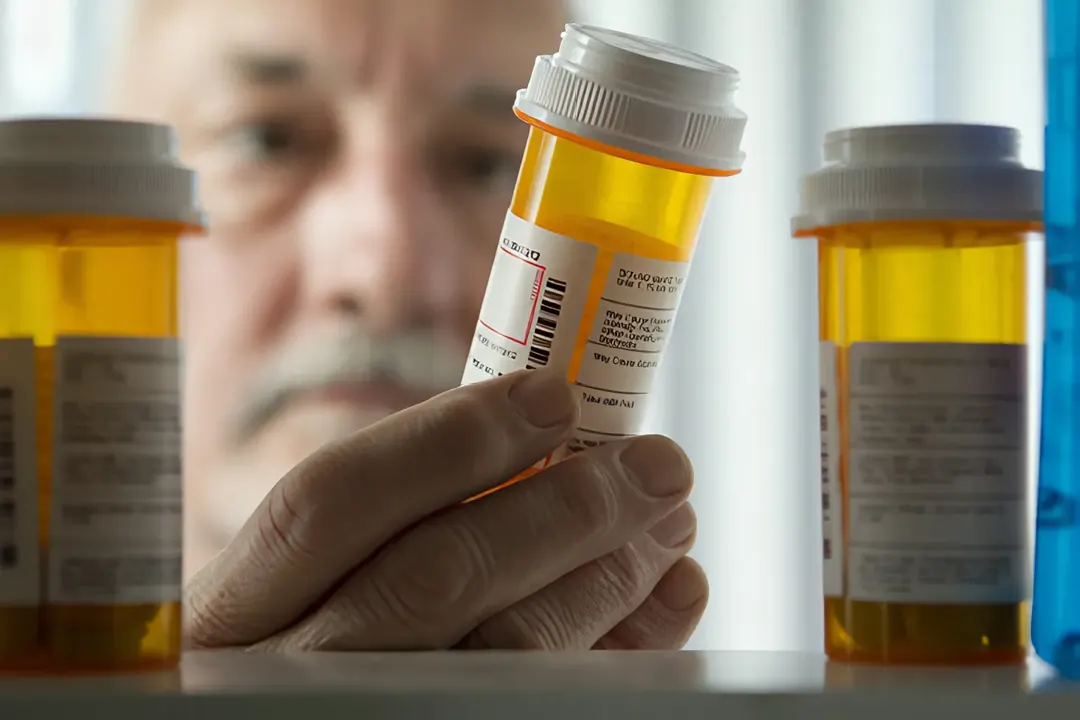
Treatment-resistant depression isn't a rare diagnosis or a personal failure — roughly one in three people treated for depression meets the definition at some point. Clinically, it means major depressive disorder that hasn't responded adequately to two or more antidepressants from different classes, each taken at a therapeutic dose for at least six weeks. These signs suggest it's worth a conversation:
- You have tried two or more antidepressants at a full dose, for at least six weeks each, without adequate relief
- Medications helped briefly, then stopped working — or never worked at all
- Side effects forced you to abandon medications before they could help
- You have added therapy, exercise, and lifestyle changes and still feel stuck
Not sure whether your history qualifies? That's exactly what the consultation determines — bring your medication list and the provider who will direct your care will walk through it with you.
A different mechanism
Why ketamine can work when antidepressants didn't
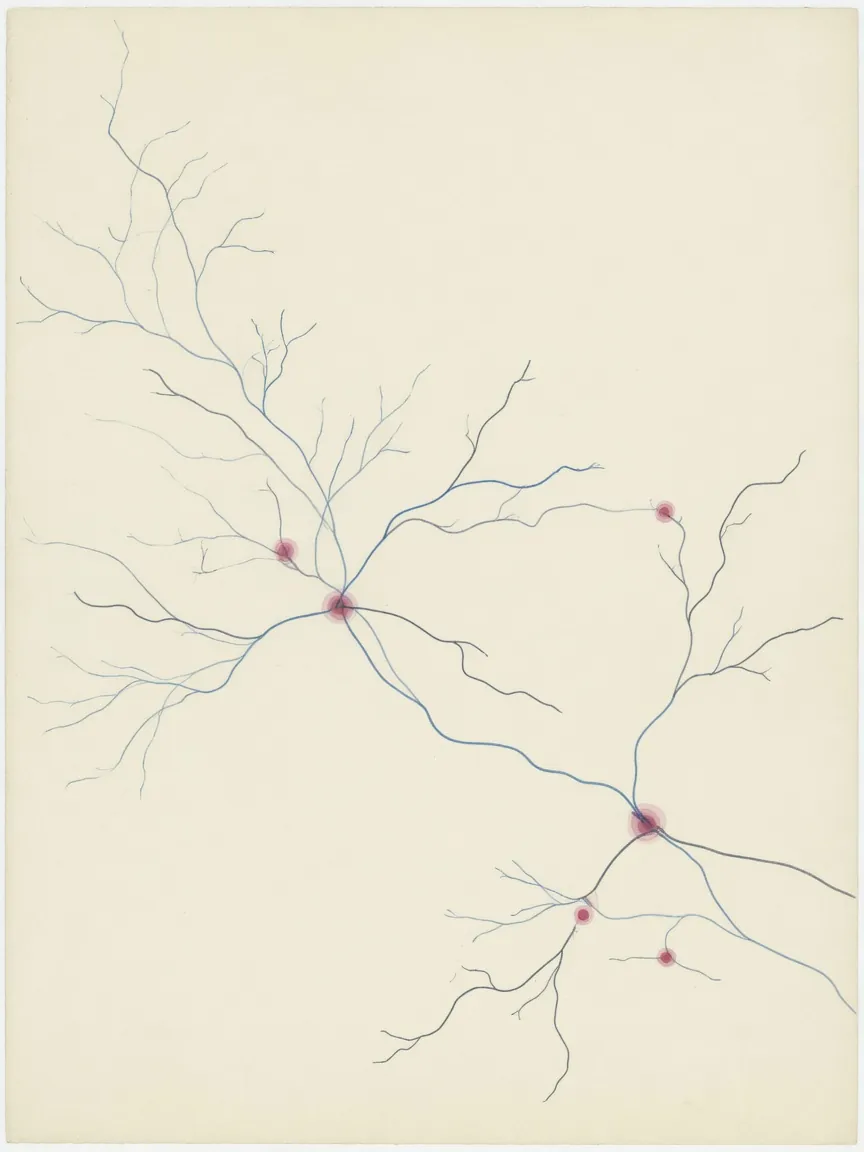
SSRIs and SNRIs all work on the same monoamine systems — serotonin and norepinephrine. If three medications from that family didn't help you, a fourth from the same family rarely will. Ketamine takes a different road entirely: it acts on the brain's glutamate system, triggering a cascade that promotes synaptogenesis — the regrowth of connections between neurons that chronic depression erodes in regions like the prefrontal cortex.
That's why prior medication failures don't predict a poor ketamine response — and why relief, when it comes, often arrives in hours to days rather than weeks. It's also why ketamine pairs well with psychotherapy: the window of increased neuroplasticity is a powerful time to build new patterns. The full mechanism is covered in our guide, What is ketamine therapy?
What the research shows for TRD
55%
median response rate in treatment-resistant depression across 12 systematic reviews
24 hrs
many TRD patients feel meaningful relief within a day of their first infusion
What treatment looks like
From first consult to lasting relief
-
01
Clinical consultation
A board-certified psychiatric provider reviews your diagnosis, the medications you have tried, and your goals — and tells you honestly whether ketamine is a fit.
-
02
Induction Series
The standard starting protocol is six monitored infusions over about four weeks, each in a private room with continuous vitals monitoring.
-
03
Response Check
We track your symptoms across the series. Many TRD patients notice meaningful change within the first one to three infusions.
-
04
Maintenance
Once you respond, occasional single booster infusions sustain the benefit — on your schedule, guided by your symptoms.
Curious what a session actually feels like? Read what to expect during a ketamine infusion — your first visit, hour by hour.
Jacksonville & Northeast Florida
Treatment-resistant depression care in Jacksonville
Larger systems in town offer excellent behavioral health and, in some cases, Spravato programs. The Practice is a specialty clinic in San Marco focused on monitored IV ketamine infusion therapy led by board-certified psychiatric providers — with a clear path from induction through maintenance boosters. Patients generally self-pay for IV ketamine; a superbill is available if you would like to submit it to your insurance company for possible reimbursement.
Exploring both paths is smart: if insurance-covered Spravato fits, we will say so; if you need titrated IV ketamine, start on our ketamine infusions hub or compare options on infusions vs. Spravato.
Common questions
TRD and ketamine, answered
What counts as treatment-resistant depression?
The standard clinical definition is major depressive disorder that has not responded adequately to two or more antidepressant trials from different classes, each taken at a therapeutic dose for at least six weeks during the current episode. Roughly one in three people treated for depression meets this definition at some point.
How well does ketamine work for TRD?
Systematic reviews report a median response rate around 55% in treatment-resistant depression — patients who, by definition, have already failed multiple medications. Many responders notice improvement within hours to days of their first infusion rather than the weeks antidepressants require. Individual results vary, and ketamine is not a fit for everyone.
Why does ketamine work when antidepressants failed?
Ketamine works through a completely different mechanism. Instead of adjusting serotonin levels like SSRIs, it acts on the brain’s glutamate system, triggering rapid growth of new synaptic connections in circuits that chronic depression has weakened. That is why prior medication failures do not predict a poor ketamine response.
Is TRD ketamine treatment covered by insurance?
IV ketamine is used off-label for depression, so patients generally self-pay. We can provide a superbill if you would like to submit it to your insurance company for possible reimbursement. If your plan covers Spravato (the FDA-approved nasal spray for TRD), we will tell you honestly if it is the better starting point for you.
How do I get started?
Book a consultation — in person at our San Marco clinic or via Zoom. Bring a list of the medications you have tried; the psychiatric provider who would treat you will confirm whether you meet TRD criteria and whether ketamine is appropriate. Book online or call (904) 877-1100.
The ketamine resource center
Keep exploring ketamine therapy
Ketamine Infusion Therapy →
The main guide to IV ketamine at The Practice — conditions, research, and booking.
Near Ponte Vedra →
Ketamine infusions for Ponte Vedra patients — ~25 min to our San Marco clinic.
Near Jacksonville Beach →
Ketamine infusions for Jacksonville Beach patients — ~25 min to our San Marco clinic.
Near Southside →
Ketamine infusions for Southside patients — ~15 min to our San Marco clinic.
Near Westside →
Ketamine infusions for Westside patients — ~20 min to our San Marco clinic.
Near Riverside / Avondale →
Ketamine infusions for Riverside / Avondale patients — ~10 min to our San Marco clinic.
Near Orange Park →
Ketamine infusions for Orange Park patients — ~25 min to our San Marco clinic.
Near Mandarin →
Ketamine infusions for Mandarin patients — ~20 min to our San Marco clinic.
Near St. Augustine →
Ketamine infusions for St. Augustine patients — ~40 min to our San Marco clinic.
Near Nocatee →
Ketamine infusions for Nocatee patients — ~30 min to our San Marco clinic.
Ketamine for Anxiety →
Rapid relief for persistent anxiety, panic, and nervous-system activation.
Ketamine for PTSD →
Trauma-informed infusion care for hypervigilance and flashbacks.
Ketamine for Chronic Pain →
CRPS, neuropathy, migraines, and centralized pain protocols.
Cost & Insurance →
The dedicated guide to infusion costs, insurance, and payment questions.
Infusions vs. Spravato →
How IV ketamine and the FDA-approved nasal spray compare on results and cost.
What to Expect →
Your first infusion, hour by hour — preparation, the experience, and recovery.
How It Works →
The science: the glutamate surge and the dendritic spine regrowth seen in research.
What Is Ketamine Therapy? →
The complete beginner’s guide: history, mechanism, safety, and evidence.
Veterans & the VA →
How VA coverage works for Spravato and IV ketamine, and the Community Care path.
Ketamine FAQ →
Every common question about ketamine in Jacksonville, answered in one place.
Side Effects & Safety →
What to expect: nausea, dizziness, dissociation, blood pressure — and who shouldn’t use ketamine.
The Experience →
Does ketamine get you high? Honest answers about what an infusion actually feels like.
Preparation Guide →
What to eat, what to avoid, what to bring, and how to set yourself up for the best experience.
Aftercare Guide →
First 24 hours, the week after, and how to maximize the neuroplasticity window.
Treatment Protocol →
The standard 6-infusion induction series, why a series matters, and maintenance scheduling.
Ketamine for OCD →
For obsessive-compulsive disorder: how ketamine’s glutamate mechanism may interrupt the OCD loop.
Ketamine for Bipolar Depression →
When antidepressants can’t be used — how ketamine differs for bipolar patients on mood stabilizers.
Ketamine vs. ECT →
How IV ketamine compares to electroconvulsive therapy — efficacy, side effects, and logistics.
Success Rates & Evidence →
What the research actually shows: response rates, remission rates, and what the numbers mean.
Patient Stories →
Real patient experiences with ketamine therapy at The Practice — depression, PTSD, and chronic pain.
Find out if ketamine is the path forward
Patients generally self-pay for IV ketamine. We can provide a superbill if you would like to submit it to your insurance company for possible reimbursement. Bring your medication history and get an honest answer from the psychiatric provider who would direct your care.
or call (904) 877-1100