← All articles
Ketamine ·
Is Ketamine the Breakthrough You've Been Waiting For? Patient Stories Say Yes
Is Ketamine the Breakthrough You've Been Waiting For? Patient Stories Say Yes
You have tried multiple antidepressants. You have attended therapy sessions. Still, the weight of depression persists. This experience is common for people with treatment-resistant depression. A different kind of treatment is showing significant promise. Ketamine therapy works on a different brain pathway, offering rapid relief for many.
Understanding Treatment-Resistance
Depression is considered treatment-resistant when at least two different antidepressant trials have failed to bring relief. This process is frustrating. You switch from one medication to another. You wait weeks for effects which never arrive. The cycle depletes your energy and your hope. This condition affects your work, your relationships, and your physical health. Standard treatments help many people, but they do not work for everyone. The search for an effective solution often feels endless and isolating. This leads individuals to seek alternative options when conventional methods fall short.
Ketamine's Unique Action
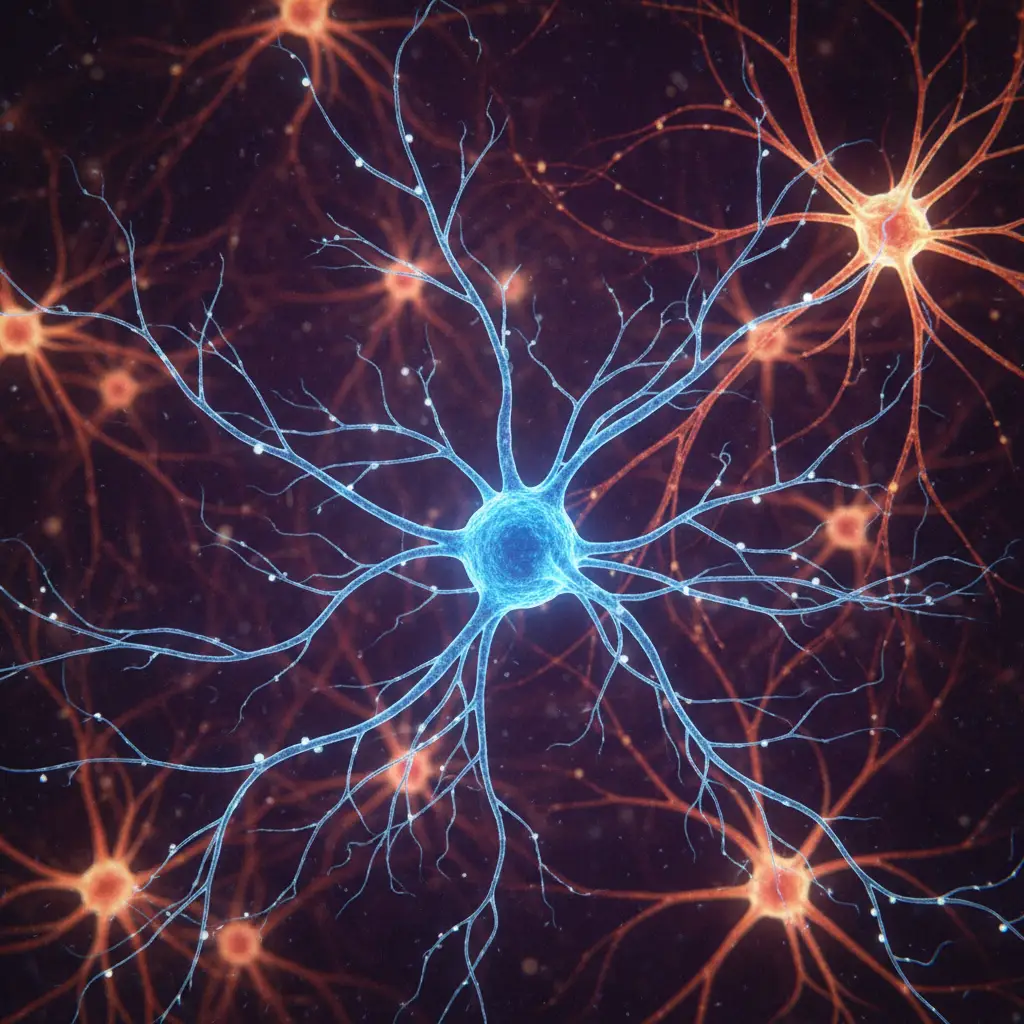
Traditional antidepressants primarily target serotonin and norepinephrine. This process is slow and indirect. Ketamine works differently. Ketamine targets the brain’s glutamate system. Glutamate is the most abundant chemical messenger in your brain. Ketamine prompts a surge of glutamate, a surge which helps your brain form new neural connections. This process is called synaptogenesis. This action is like creating new roads around a roadblock. The rapid rewiring helps restore healthy brain function. By acting on a different set of receptors, ketamine provides a new mechanism for people who did not respond to older medications. This biological reset offers a foundation for building new, healthier mental habits.
The Data Behind the Hope
Clinical data supports ketamine's effectiveness. One study showed impressive results. After three ketamine infusions, 52 percent of participants with severe depression achieved remission. Sixty-seven percent had a significant response to the treatment. Real-world clinics often treat patients with more severe conditions than those in trials. In these settings, about one-third of patients experience at least a partial response. For individuals who have found no relief from other treatments, these numbers represent a substantial opportunity for improvement. At The Practice in Jacksonville, FL, we conduct a thorough evaluation to determine if ketamine therapy is right for your specific situation. Our medical team monitors every step of the process to ensure safety and effectiveness. The goal is to provide a structured, supportive environment for healing.
The Patient's Perspective
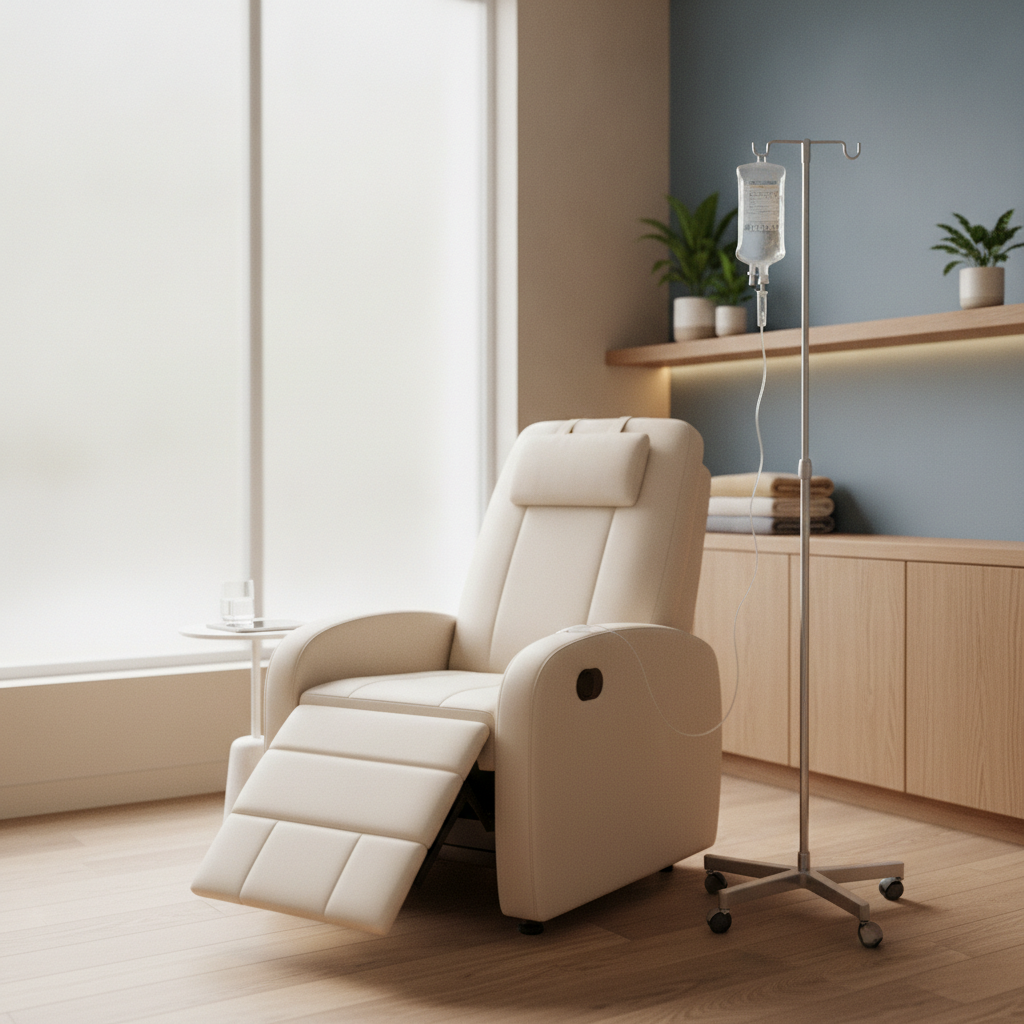
Patients often describe the ketamine infusion experience as a feeling of detachment from their negative thoughts. The constant internal criticism quiets down. One patient explained, "The first time my mind was quiet in a decade." Another said, "The heaviness I carried everywhere was gone. I felt a sense of possibility again." The effects are often felt within hours or days, not weeks or months. This rapid relief provides a crucial window of opportunity. In this new state of mind, you are able to engage more effectively in psychotherapy to build lasting change. The experience itself is managed in a controlled, clinical setting to ensure comfort. Many report a sense of calm and introspection during the infusion, followed by a lighter mood in the days following.
Your Treatment Journey
A typical ketamine treatment plan involves two phases. A plan is tailored to your individual needs and response.
* Induction Phase: This part of treatment usually consists of six intravenous (IV) infusions spread over two to three weeks. This initial series helps reset neural pathways and provides the initial lift from depressive symptoms. Each session is monitored by medical professionals.
* Maintenance Phase: After the induction phase, some patients benefit from periodic booster infusions. The frequency varies from person to person. A booster might be needed once a month or once every few months to maintain the positive effects.
Psychotherapy is a vital part of the process. Ketamine creates a period of enhanced neuroplasticity. This makes your brain more receptive to change. Therapy during this time helps you build new thought patterns and coping mechanisms. The combination of the biological effects of ketamine and the psychological work in therapy produces the most durable results.
Practical Takeaways
Consider these points when exploring ketamine therapy.
* Ketamine is for treatment-resistant depression, anxiety, and other specific mental health conditions.
* Ketamine works by targeting the glutamate system to promote new neural connections.
* Relief is often rapid, occurring within hours or days of the first treatment.
* Treatment requires medical supervision in a clinical setting like The Practice.
* Ask your doctor about the induction and maintenance phases to understand the full commitment.
* Combine ketamine infusions with psychotherapy for the best long-term results.
Living with persistent depression is difficult. New treatments provide new hope. Ketamine therapy offers a scientifically backed path toward relief for many who felt they had no other options. If you have tried other treatments without success, contact The Practice in Jacksonville, FL. A consultation with our team will help you learn if ketamine is the right next step for you.