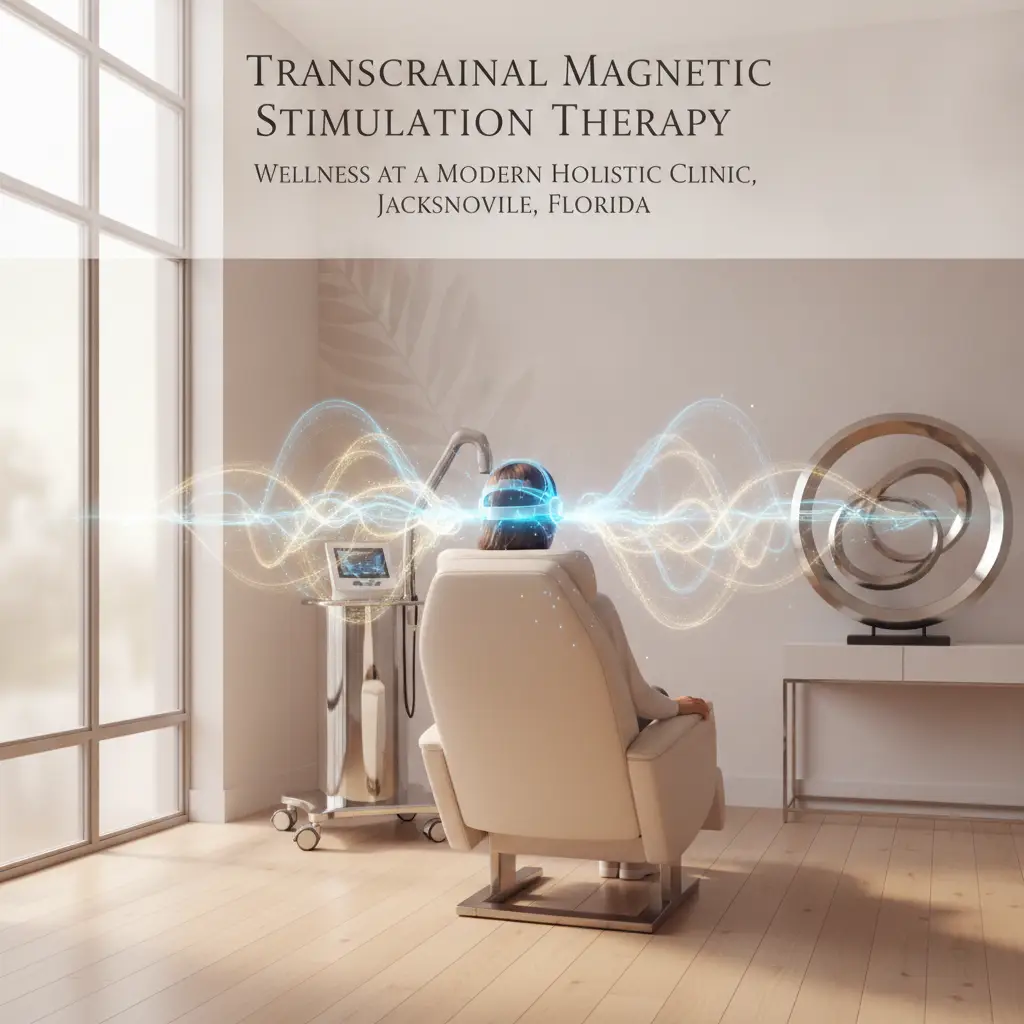
TMS, or Transcranial Magnetic Stimulation, is a non-invasive and FDA-approved medical treatment that uses magnetic fields to stimulate nerve cells in the brain. TMS is primarily used to treat depression...
Understanding TMS: Transcranial Magnetic Stimulation
TMS, or Transcranial Magnetic Stimulation, is a non-invasive and FDA-approved medical treatment that uses magnetic fields to stimulate nerve cells in the brain. TMS is primarily used to treat depression and other mental health conditions, including:
Advantages of TMS
One of the main advantages of TMS is that it is a non-invasive procedure that does not require anesthesia or surgical incisions. This makes it a much safer option than traditional invasive procedures such as electroconvulsive therapy (ECT). Other benefits include:
Many patients experience significant improvement in their symptoms after just a few weeks of treatment. Additionally, TMS has been shown to be effective in patients who have not responded to other forms of therapy, including medication.
Drawbacks of TMS
However, TMS is not without its drawbacks. The following are some considerations regarding treatment:
TMS Treatment Procedure
During TMS treatment, a patient sits in a comfortable chair while a specially designed magnetic coil is placed against the scalp, near the area of the brain that is thought to be involved in their specific condition. The procedure includes:
The patient remains awake and alert during the entire procedure, and is free to read, listen to music, or engage in other quiet activities. Some may experience mild discomfort, such as a tapping sensation on the scalp, but this is generally well-tolerated.
Post-Treatment Effects
Overall, TMS is a well-tolerated procedure with minimal side effects. Some patients may experience:
These symptoms usually resolve on their own within a few days. TMS is considered to be a safe and effective treatment option for many mental health conditions, especially for patients who have not responded to other forms of therapy.
Insurance Coverage for TMS
Insurance coverage for TMS varies depending on the insurance company and the patient's specific policy. Some insurance companies will cover TMS for certain mental health conditions, while others may not cover it at all. Patients are encouraged to check with their insurance provider for accurate coverage details.
Conclusion
TMS is a highly effective medical treatment that offers many advantages, including a high success rate, non-invasive nature, and short recovery period. However, it can also be costly, particularly for patients without insurance coverage, and may not be covered by all insurance companies. Despite its drawbacks, TMS is a promising treatment option for many mental health conditions.
For patients who have not responded to other forms of therapy, contact us today at (904) 877-1100 to schedule your consultation or book online!
Psychiatry
Thoughtful medication management and psychiatric care tailored to mood, anxiety, and daily functioning.
P-Shot® Consultation
Enhance your performance and confidence with our revolutionary P-Shot treatment.
O-Shot® Consultation
Experience renewed intimacy and wellness with our transformative O-Shot treatment.
Psychiatry
Thoughtful medication management and psychiatric care tailored to mood, anxiety, and daily functioning.
Ketamine Infusion Therapy
Explore treatment insights and supportive education around ketamine care.